
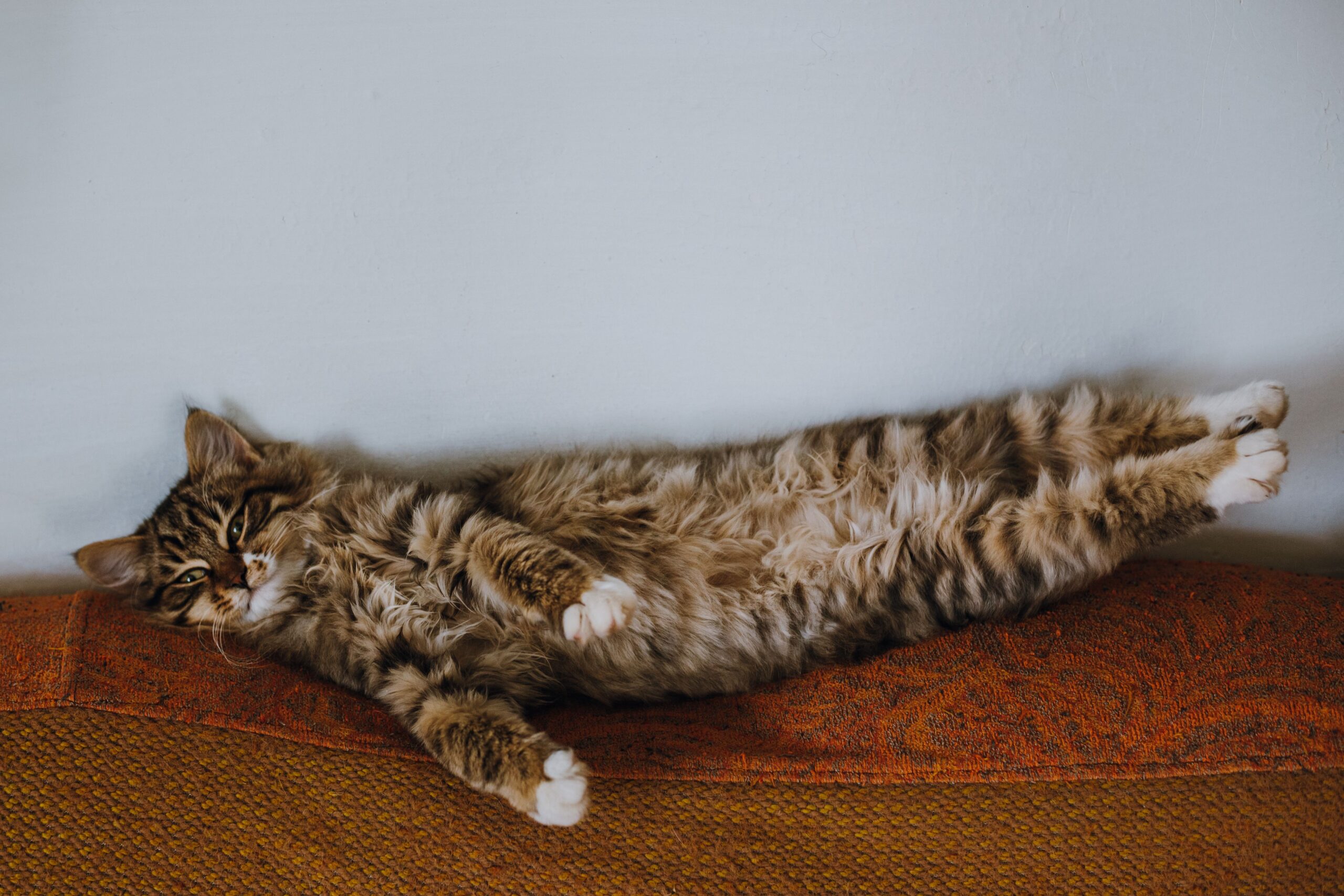
A move can feel enormous to a cat. New sounds, unfamiliar rooms, and a changed routine can leave even a confident cat hiding or acting differently for a while. The kindest approach is to make the transition small, predictable, and safe. At Justice Cats, we believe every cat belongs indoors, so a secure indoor settling-in plan matters especially when you are moving.
Start with one quiet, cat-proofed room
Before opening the carrier, prepare a calm room with a closed door, covered windows if needed, a litter box, fresh water, food, a bed, and familiar toys or bedding. Check screens, vents, windows, closets, and any gaps where a frightened cat could hide. Keep your cat indoors and in this room while movers, visitors, and open doors are still part of the day.
Keep familiar routines
Feed meals, scoop the litter box, and offer play at roughly the same times you did before the move. Familiar smells can help too: bring unwashed bedding, a favorite blanket, or a scratching post rather than replacing everything at once. Sit quietly in the room, read, or work nearby, and let your cat decide when to approach.
Let exploration happen gradually
Some cats begin exploring in hours; others need days or longer. There is no prize for rushing. When your cat is eating, using the litter box, and resting comfortably in the safe room, open access to one additional quiet area at a time. Close doors to unsafe spaces until you have checked them carefully, and keep all exterior doors and windows secured.
Use calm, positive connections
Short play sessions, treats, and gentle conversation can help your cat build good associations with the new home. Avoid pulling a hiding cat out or forcing introductions to people or other pets. If there are resident animals, introduce them slowly through scent swapping and brief, supervised meetings.
Watch for signs your cat needs extra help
Hiding at first can be normal, but contact a veterinarian if your cat stops eating, has trouble using the litter box, vomits repeatedly, seems unusually lethargic, or shows signs of illness. A move is stressful, but your cat should never have to manage a health concern alone.
Patience is the most useful moving-day supply. By creating a secure indoor base camp and letting your cat set the pace, you give them the best chance to feel at home safely.