

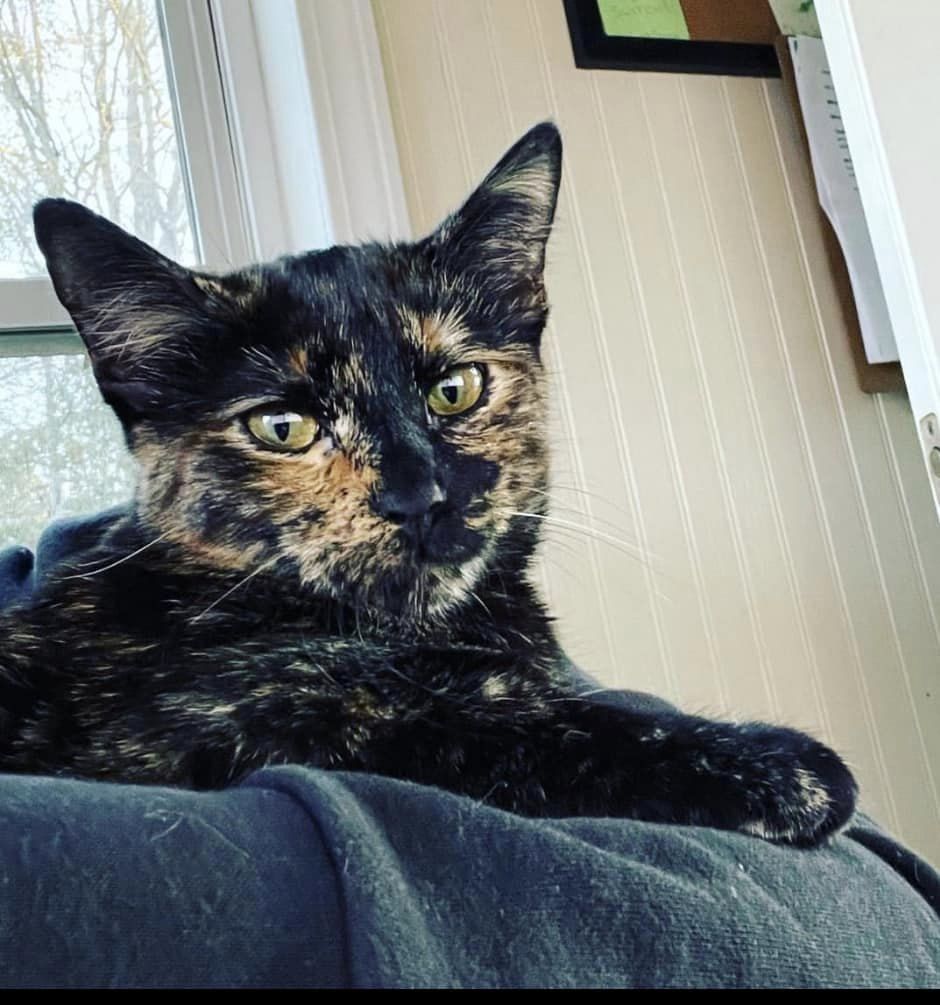
“My cat ran away, what do I do?” Unfortunately, this is an issue we hear about a lot. Sometimes they slip out an open door, or they get loose from a carrier, or maybe you let your cat go outdoors and this time, they just didn’t come home (reminder: indoors is safest for your kitty and reduces this issue).
Losing a cat is genuinely stressful. Your family/household will be worried about your cat, and it’s also very stressful for your kitty. So whether they just slipped out an open door, or have been missing for days, here are some things you can actually do.
Your first step: don’t panic!
Most of the time, lost cats find their way back home. And there are some things you can do to help shift the odds in your favor.
1. Search close to home first
Don’t go far right away. Most cats that get out stay within a few houses of home, especially if they’re indoor cats who aren’t used to being outside. Check under porches, in bushes, behind sheds, under cars, and up in trees.
Cats often freeze and hide when they’re scared, so go slowly and be quiet. Call their name in a calm, normal voice. If you yell or sound panicked or upset, it may scare your cat from coming out of hiding. If you don’t find your cat right away, you will just continue to repeat this process.
Do this at dawn and dusk when cats tend to be more active and more likely to respond. Quite often, lost cats are hiding right on the property and just waiting to feel safe to come out.
2. Make a lost cat post and flyer
Use a clear, recent photo. Include your cat’s name, a physical description (color, markings, any distinguishing features), whether they’re microchipped or wearing a collar, and your phone number. Post it to your neighborhood Facebook group, Nextdoor, and any local community pages. Also check if there’s a local lost pets Facebook group — these are often surprisingly active and effective.
Print physical flyers too. Put them at eye level on telephone poles, community bulletin boards, and at nearby vet offices and pet supply stores. Ask neighbors directly if you can: a face-to-face ask is more memorable than a flyer.
3. Contact local shelters and vets
Call (don’t just email) every animal shelter and veterinary clinic within a reasonable radius. Describe your cat and ask them to keep an eye out. Follow up every couple of days — staff changes and your cat could come in at any time. If your cat is microchipped, contact the microchip registry to make sure your contact info is current.
Most shelters will keep a list or file of reported lost pets so that if someone else finds the pet and takes it to the shelter, they can reference it with lose pets and contact you.
4. Set a humane trap if they’ve been out a while
If your cat has been missing for more than a day or two, they may be too scared to come when called. A humane trap baited with smelly food (wet food, tuna, or something from your cat’s usual diet) placed near where you last saw them can help. Put something that smells like home near it — a worn shirt, their bedding. Check it frequently so they’re not stuck in there for hours.
Never leave a trap unattended – other animals can get caught in them too. Wildlife will be scared and will sometimes injure themselves trying to get out.
If you know your cat is skittish and not likely to come back on its own, or allow itself to be picked up outside, then you can set up a trap from day one when your cat is missing. Just remember you must watch the trap at all times.
When we are trapping like this, we will use trail cams to watch the traps from a distance and then go to it immediately when we get something inside.
5. Keep at it
Cats have been found weeks and even months after going missing, so don’t give up quickly. Refresh your posts, check the shelter regularly, and keep leaving food out near your home to draw them back. Tell mail carriers, delivery drivers, and neighbors who are outside often. They cover a lot of ground and may spot your cat before you do.
The odds of getting your cat back are genuinely decent if you stay consistent and get enough people looking. Most cats want to come home, they just sometimes need help finding their way back.
And remember, if your cat is microchipped, the odds are much higher for getting them back if they get lost. Always microchip your pets!